Professionals Answer Questions About Heat Pumps

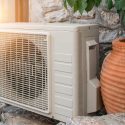
Air conditioning unit by foliage and clay pot on a textured stone wall, representing Walker Plumbing, Heating & Air.

All About Heat Pumps

Energy bills are a major concern for most homeowners. During the winter, gas bills can go through the roof as the furnace works to keep a home cool. Likewise, more people than ever are aware of the negative impacts of fossil fuel usage on the climate. Many seek opportunities to switch to more efficient systems powered by renewable resources. 

One of the most effective upgrades that homeowners can make that impacts both the cost of operation and the carbon output of a home is the heating and cooling systems. New HVAC systems powered by heat pump technology can lower bills and reduce a home’s reliance on fossil fuels. 

What Is a Heat Pump?

Heat pumps have been in use and under development for decades. However, they have only recently become competitive with traditional heating and cooling systems. Heat pumps utilize a stable heat source to help recycle refrigerant for heating and cooling. Deep wells were drilled to provide this source in the past, but with new developments, heat pumps can now use outdoor air for this purpose. 

Heat pumps absorb energy from outdoor air or a comparable heat source. While it may not make sense that there is heat energy outside on a cold day, through the thermodynamics of refrigerants, enough heat can be absorbed to be pumped into the home to keep it warm on the coldest days. If this process sounds familiar, it is identical to the process used to cool homes in the summer, except that the refrigerant flow is reversed. 

Benefits of Heat Pump Installation

save money Switching to something new is never an easy decision, especially when choosing a new heating and cooling system for the home, which is as consequential as choosing a new one. However, knowing the benefits of heat pumps, in particular, can help homeowners make educated decisions when the time comes. Some of the benefits of switching to heat pumps are: 

  • Energy Efficiency: Highly efficient heating and cooling systems are cheaper to operate monthly. Likewise, heat pump bills are much less prone to fluctuations than gas bills for furnaces. 
  • Lower Carbon Emissions: Heat pumps use far less energy per thermal unit than gas furnaces, making them up to 300 times more efficient. This drastically lowers a home's carbon emissions. 
  • Versatility: Heat pumps can directly replace central heating and cooling systems or be used in ductless mini-split heat pumps to heat and cool individual spaces with no place for ductwork. 
  • Quiet Operation: Some furnaces sound like jet engines firing up. Heat pumps are much quieter, comparable to the typical noise production of a central AC. 

Signs You Need Heat Pump Repair

heat pump repair Heat pumps operate all year, so sometimes they show wear and tear. Eventually, all mechanical devices will need repairs, and heat pumps will be no different. Luckily, the signs that heat pump repairs are needed are familiar to anyone in a home. They can include things like: 

  • High energy bills
  • No heating or cooling power
  • Poor indoor air quality
  • New noises
  • Loud operation
  • No power to the thermostat or unit 

A quick call to a local technician can help keep things running smoothly when these signs arise. 

About Walker Plumbing, Heating & Air

Walker Plumbing, Heating & Air offers heat pump installation and repair services to customers who switched. They specialize in custom-tailored solutions for plumbing and HVAC customers. Call and schedule for heat pump services in St. George, UT.

FAQs About Slab Leaks

All About Slab Leaks

Building a home on a giant slab of concrete has proven to be one of the biggest advancements in home design in history. By pouring a giant monolithic slab, the foundation for the home can adequately support the weight of the home on top of it while also resisting the elements like shifting soils and weather. One disadvantage of homes built on slabs is that the plumbing has to come up through the slab to protect the piping from freezing. This means a significant portion of a home’s piping is under a thick concrete layer. While plumbers do their best to ensure these pipes are protected, leaks are common in the pipes. When this happens, it is called a “slab leak”

What Is a Slab Leak?

Slab leaks can occur in any portion of buried pipes, including freshwater and sewer pipes. When pipes are installed, codes dictate that they be protected from punctures by bedding them in clean sand. The major reason for this is to prevent the gradual wear and tear on pipes that occur as pipes vibrate over the years. These constant vibrations eventually cause pinhole leaks to form, leading to a slab leak. 

Other causes of slab leaks can be: 

  • Corrosion
  • Shifting soils
  • Mechanical damage
  • Old age

Signs and Consequences of Slab Leaks

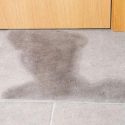
slab leakSlab leaks are serious plumbing problems that need immediate attention because they can cause secondary damage. Water flowing underneath the slab can undermine the soil and leave the concrete unsupported, leading to major structural issues. In addition to undermining the slab, water that wicks upward into the living space can damage the wood or metal studs that support the home's roof, requiring expensive rehabilitation. 

To prevent these disastrous scenarios, homeowners should know the signs of slab leaks so they can respond quickly. Some of the signs to watch for are: 

  • Water Flowing From Near the Foundation: When water leaks underneath the slab, it has to go somewhere. The path of least resistance is often towards the slab's edges. 
  • Insect Problems: The high moisture levels caused by slab leaks attract moisture-loving insects like termites, pill bugs, and centipedes. 
  • High Water Bills: Leaking water isn’t free; a constant drip adds to monthly bills. If bills have unexpectedly gone up, a slab leak may be to blame. 
  • Faint Dripping or Hissing Noises: Slab leaks can create noise, usually silenced by the slap. Try listening to these noises when the home is quiet. 

Homeowners can stop wasting money on high water bills and secondary damage repairs by calling for professionals early. 

Professional Slab Leak Detection and Repair

slab leak detectionSlab leaks are difficult to repair because they require removing the slab to expose the pipes. Since the repairs are invasive, the leak must be pinpointed so less damage is done. With professional slab leak detection and repair, experts can target the source of a leak exactly so they can make precise repairs. After the repairs are made, the slab is repoured, and homeowners can return to normal life. 

About Walker Plumbing, Heating & Air

Walker Plumbing, Heating & Air has provided local plumbing solutions for over 20 years. They offer straightforward pricing and satisfaction-guarantee services available 24/7. Call our licensed technicians today for slab leak repairs and service in St. George, UT. 

What Homeowners Should Know About Humidity in Their Homes

The Effects Humidity Can Have in the Home and How to Better Control It 

Humidity is simply a measurement of the level of water vapor in the air. While this concept is easy to grasp, it can have far-reaching implications for health and comfort. If humidity in the home is too high or low, it can create many issues for residents and the household. Here are some of the effects of too little or too much humidity at home and how homeowners can take action to control the humidity in their homes by installing humidifiers and dehumidifiers.

Why Does the Indoor Humidity Level Matter?

Humidity plays a crucial role in determining the comfort and healthiness of indoor environments. Too much humidity can create a breeding ground for mold, dust mites, and other allergens, contributing to poor indoor air quality and potential health issues such as allergies or respiratory problems. Additionally, too much humidity, common in summer, makes the air feel stuffy and can cause overheating in the body, as excessive moisture prevents sweat from evaporating and cooling the skin efficiently.

On the other hand, too little humidity can cause respiratory tract irritation, discomfort, and increased vulnerability to infection. Maintaining an optimal humidity level is, therefore, key to ensuring a comfortable living environment and improving the health of inhabitants. Too little humidity, often experienced during winter months, can also cause discomfort, such as irritated eyes, dry skin, and static electricity. 

How Humidifiers Can Help 

humidifierHomeowners might recognize the need for a humidifier during the colder months when indoor air tends to become dry, leading to discomforts from too little humidity, such as dry skin, eye irritation, increased susceptibility to colds, static electricity, and damage to wooden furniture and floors through shrinkage and cracking. 

Installing a humidifier can significantly mitigate these issues by maintaining optimal indoor humidity levels, around 30-50%. This not only ensures a more comfortable living environment but also helps preserve the health of its inhabitants. A humidifier installation can also help lower heating bills, as moist air feels warmer than dry air, allowing homeowners to adjust the thermostat and save on heating costs. 

How Dehumidifiers Can Help

dehumidifierHomeowners can also recognize the need for a dehumidifier installation through signs within their living environments, such as musty odors, visible mold on walls or ceilings, increased allergies or respiratory issues, and excessive moisture and condensation on windows. 

A dehumidifier can significantly reduce these issues by removing excess moisture from the air, thus creating a healthier living space. The benefits of installing a dehumidifier extend beyond improving air quality and people's health in the home. They also protect the home and its belongings from damp-related damage, reduce the likelihood of mold growth, and create a more comfortable living environment by maintaining optimal humidity levels. It can also help save on energy bills, as they can help air conditioners work more efficiently. 

About Walker Plumbing, Heating & Air

Walker Plumbing, Heating & Air has been serving St. George, UT, and the surrounding areas for over 20 years. They provide same-day service, 24/7 live answers, and financing options. Call them today for humidifier installation and repair services in St. George, UT. 

Distribution Links +

Worried About Your Pipes in the Winter? Prevent Freezing With These Easy Tips

Help Prevent Frozen Pipes and Their Risks 

Winter can be a wonderland for most people, but the freezing cold could quickly become a nightmare for homeowners who aren’t prepared for it, especially if it leads to frozen pipes. This happens when a home’s plumbing system becomes exposed to extremely low temperatures, and the water inside freezes solid. When water turns to ice, it expands, which pipes typically don’t have the space to accommodate, which can cause them to crack or burst

This doesn’t seem to be an immediate concern, especially if the water is still frozen solid, but it will eventually thaw. With the pipes broken, the water has no other recourse but to spill out into the home, causing destruction in the form of water damage. This article will share the problems that can occur due to frozen pipes and ways for homeowners to help prevent them. 

Hazards of a Frozen Pipe

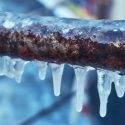
burst pipeFrozen pipes can be dangerous for many reasons. Not only will it stop water from flowing out of the taps, but it can cause severe damage to the home when it leads to leaks or burst pipes. Leaking pipes located overhead can cause ceilings to collapse, while those that are found underground could cause flooding and structural damage. 

Water that escapes when frozen pipes burst could cause flooding, water damage, and encourage mold growth, as well as cause electrical hazards due to wiring and outlets being exposed to water. For these reasons, experts in plumbing stress how important it is to prevent frozen pipes in the winter. 

Why Pipe Insulation Is a Good Thing

pipe insulationFortunately, there are many effective ways to prevent frozen pipes in a home. One of the most important is to add insulation to pipes, especially those that are particularly vulnerable and exposed to outside temperatures. These include plumbing that runs along exterior walls and those in unheated spaces like garages or basements. 

Adding pipe insulation involves wrapping the exposed plumbing in insulating material to help it retain water temperature for extended periods and prevent rapid heat loss and freezing. Insulated pipes also help homeowners save money on their utility bills since heat loss prevention allows water heaters to function more efficiently. It can also help protect pipes from corrosion by preventing condensation. 

More Frozen Pipe Prevention Tips

Adding pipe insulation is a great way to prevent frozen pipes. Still, when done in addition to other helpful techniques, homeowners will give themselves even higher chances of avoiding plumbing problems caused by frozen pipes. These techniques include keeping temperatures consistent from day to night, including when away from home.  

Homeowners can also keep all that warm indoor air circulating to benefit plumbing by opening cabinet doors in the home. Garage doors, on the other hand, must be kept closed when not in use, especially if plumbing is present in the garage or if the garage isn’t heated. During freezing temperatures, homeowners can keep their taps slightly open to let water drip out. Allowing the water to run continuously will prevent it from freezing solid. 

About Walker Plumbing, Heating & Air

Walker Plumbing, Heating & Air has been serving St. George and the surrounding areas for over 20 years. They offer straightforward pricing, same-day service, and 24/7 live answers. Call them today for plumbing services or burst pipe repair in St. George, UT.

Distribution Links +

All Homeowners Need To Know About Mini-Split Cooling

Do Ductless Mini-Split Systems Work All Summer Long?

Whether it’s time for a new air conditioner or not, there is a cooling system on the market that homeowners need to know about. Until now, central cooling has been the primary cooling system for homes across America. However, ductless mini-split systems make their way into homes and prove to have some amazing benefits for homeowners. One of the great benefits homeowners can experience this Independence Day is the convenience of a cool home, no matter how many guests are at the house. 

The 4th of July parties tend to make indoor temperatures rise because people walk in and out all day long. The constant traffic flow makes it hard for central cooling systems to keep up. Homeowners with ductless mini-splits don’t seem to have this issue! Continue reading to learn more about this type of cooling system. 

What Is It Anyway? How Does It Work?

A ductless mini-split system is a cooling system with an indoor and outdoor unit, much like a central cooling system, only without all the ductwork. It isn’t a new invention but a cooling system that has recently become more popular in modern households. 

Here’s how it works: 

  • There are indoor unit heads in each room of the home. These unit heads pull in the warm air from the room.
  • That air is then transported to the condenser unit outside. 
  • The condenser unit works much like a central cooling system condenser unit
  • The warm air runs through the system where it is cooled. 
  • The cool air is then sent back into the unit heads inside the home to cool the individual rooms. 

Is It Better Than Central Cooling? ac

It’s difficult to say which system is better, but ductless mini-split systems are more efficient than central cooling systems. For one, the mini-split doesn’t require the long and extensive ductwork that the central cooling system does. This also means that installation and upkeep are a lot easier than central cooling systems because homeowners don’t have to worry about ductwork causing air quality and breakdown issues. 

Secondly, the ductless mini-split cools each room down individually. Some rooms are harder to cool down than others, especially in large homes with many rooms. This is where ductless mini-split excel the most because they can cool down the warmer rooms without overworking the system to cool down the entire home in the process. 

How Does It Help Indoor Air Quality?air quality

As mentioned above, ductless mini-splits tend to help with indoor air quality specifically because there isn’t any ductwork that gets dirty and causes the air quality to suffer. The mini-split system has a filter in each unit head in each room. All the homeowner needs to do is routinely replace those filters to ensure that the air quality is clean and free of debris. 

Dirty ductwork can also cause central cooling systems to overwork, which leads to the unit giving out before its life expectancy. In contrast, a ductless mini-split doesn’t have to worry about being overworked due to dirty ductwork because there isn’t any ductwork involved in the first place. 

Walker Plumbing, Heating & Air Keeps Homes Efficient 

The professionals at Walker Plumbing, Heating & Air always do their best to ensure their customers are safe and satisfied. They care about their St. George community and have worked for more than 20 years to provide top-rated services for them. It’s time to call Walker Plumbing, Heating & Air! Call now for ductless mini split service!