The ABCs of Air Conditioning

Air conditioning unit on a concrete slab, surrounded by grass and trees, by Walker Plumbing, Heating & Air.

Air Conditioning 101

In the summer, having working air conditioning is essential. However, it’s crucial that air conditioners are in good condition and working efficiently. But to keep them in good shape, homeowners should have some basic knowledge about air conditioners. This is a brief guide to help homeowners learn about the most common types of air conditioning systems, maintenance, and signs AC repair is needed. 

Which Type of Air Conditioner Works Best for a Home?

Air conditioning units installed outside a home, featuring a traditional condenser unit on the left and a split system unit on the right, surrounded by grass and a brick wall backdrop, illustrating common residential HVAC options.The best AC system for a household depends on many factors, such as the budget, home size and layout, and lifestyle. A central air conditioning system is one of the most common and recognizable options available and works well for multi-story houses. Central AC cools the entire home evenly, controlled by a thermostat. It replaces hot indoor air with air that has been passed over an evaporator coil. Refrigerant is then able to absorb both heat and humidity. Once the blower fan sends cool air through a system of air ducts and vents, it will disperse throughout each room.  

Another common AC system installed in homes is a ductless mini-split system. Unlike central AC, mini splits do not need ductwork to deliver cool air to the house and instead use multiple indoor units in different zones of a home that can be individually controlled. Homeowners can save money by adjusting the temperature in the rooms they are not actively using. Additionally, not having air ducts eliminates the energy loss that occurs in the ducts of a central AC system. While central AC systems are initially less expensive, ductless mini split air conditioning systems are more energy efficient and cost less to run monthly. 

How to Tell if an Air Conditioning System Needs Repairs

Occasionally, air conditioners can experience issues that affect their performance and require professional repair. Homeowners can tell their AC system needs repair by watching out for certain signs that indicate a problem, such as: 

  • The system is blowing warm air
  • Low airflow from vents
  • Faulty thermostat reading
  • Strange odors or sounds
  • Spike in energy bills 
  • Liquid leaking from the system

Once someone notices one of these signs, they should contact an HVAC contractor to inspect their air conditioning system to determine the issue and repair it before the problem gets worse and causes more damage to the system. 

Air Conditioner Maintenance 

HVAC technician using pressure gauges on an air conditioning unit during maintenance inspection, emphasizing importance of regular AC servicing for optimal performance and efficiency.Annual air conditioning maintenance is recommended to keep an air conditioner functioning correctly and prevent issues. In addition to avoiding repairs, routine maintenance also helps extend the lifespan of an air conditioner and improves its efficiency, which helps keep energy bills low. It’s also much less expensive to maintain an AC unit than to deal with constant repairs.

During an AC maintenance visit, an HVAC technician can inspect the system to identify and fix potential issues before they get out of hand and perform essential tasks to help the AC. These tasks include cleaning the air conditioning coils, checking the thermostat settings, and checking the refrigerant level. In addition to hiring a professional for annual maintenance, homeowners are encouraged to change their air filters when needed, usually at least once every three months, to help maintain their system.  

About Walker Plumbing, Heating & Air

Walker Plumbing, Heating & Air has over 20 years of experience serving St. George and Southern Utah. They offer same-day service, the latest technology, and a satisfaction guarantee. Call them today for air conditioning services in St. George, UT

Distribution Links +

How to Tell if the Water Heater Needs Service

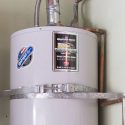
Gray metallic water heater with circular shape and pipes, featuring manufacturer's label and energy efficiency sticker.

3 Signs of a Broken Water Heater 

A broken or malfunctioning water heater that needs professional attention may still be able to provide warm water to the home’s plumbing fixtures. Unfortunately, this causes many homeowners to delay fixing their water heaters until too much damage occurs. Homeowners must be aware of the signs associated with a faulty water heater so they know when to contact a plumber for water heater services.

Scary Sounds

Woman covering her ears, expressing discomfort from loud sounds, relevant to water heater noise issues and maintenance tips.Unexplained banging or popping noises from the water heater can indicate it has excess sediment. When sediment builds inside the hot water tank, the heating element may react negatively, and the system’s energy efficiency will suffer. Essential maintenance tasks such as flushing the tank and replacing the anode rod can help remove the sediment and prevent it from damaging the water heater any further. 

A crackling or hissing sound is also commonly associated with faulty water heaters. This is often due to a blockage near the system’s heating element and usually only happens with electricity-powered water heaters. Still, an oil or gas tank can make similar noises. In the case of a gas water heater, these sounds are likely due to a moisture build-up that will need to be examined by a trained technician.

If the water heater sounds like it’s ticking, water pressure may be to blame. Sudden changes in water pressure can cause damage to the water heater tank but are relatively easy to fix if caught early. The pressure-reducing valve is designed so homeowners can easily adjust the level anytime. 

Unexplained Odor and Color

Discolored water flowing from a faucet into a sink, indicating potential rust and corrosion issues from a water heater.Water should never have a strange color or odor. If the water heater tank has rusted and corroded, this may impact the water’s color and smell due to an excess of minerals and rust. A corroded water heater may turn the water a rusty color, brown, or otherwise discolored. 

A foul smell from the hot water may also indicate the anode rod inside the water heater has corroded and needs to be replaced or bacteria in the tank. Bacteria can occur in the tank when the water heater sits unused for too long. Plumbers can help homeowners determine the cause of any strange smells and discoloration in their water. 

Water Leaks

If homeowners notice a water leak in their water heater, it should be attended to immediately by a professional. The longer they wait, the more damage can occur. Depending on the severity of the leak and its location, it could require repair or replacement of the water heater. 

Repairs may be an option if the leak is minor and not from the tank. However, if the damage is severe or the water heater is old, it may need to be replaced. In any case, addressing a water leak as soon as possible is essential to prevent further damage and expensive repairs down the line.

About Walker Plumbing, Heating & Air

Walker Plumbing, Heating & Air has over two decades of experience serving St. George and the surrounding communities. They provide same-day service, 24/7 live answers, and straightforward pricing. Call them today for water heater services in St. George, UT

Distribution Links +

3 Reasons to Switch to a Ductless Heating and Cooling System

Modern air conditioning unit mounted on a wall, blending into minimalist decor at Walker Plumbing, Heating & Air services.

Benefits of Ductless Mini Splits

While plenty of homes still have traditional central heating and cooling systems with air ducts, another option is available for homeowners considering upgrading or replacing their current systems. That option is to go ductless with a mini-split. Unlike central air conditioning and heating systems, the ductless mini split, as its name implies, does not need air ducts to distribute heated or cooled air throughout the house. 

Instead of using air ducts, the mini split uses a system that typically includes multiple indoor units throughout the home and an outdoor compressor connected through wires and tubes for electricity, refrigerant, and drainage. This lack of ductwork means ductless mini splits enjoy plenty of advantages over traditional ways of heating and cooling homes. Here are three of the top reasons why many homeowners are switching to ductless mini splits.

Lower Energy Consumption

Electric plug on a hundred-dollar bill symbolizing energy costs and savings related to ductless mini-split systems for homeowners.Ductless mini splits are some of the most energy-efficient ways of cooling homes. Not only do they enjoy technological advances that allow them to function without consuming a lot of energy, but they even come with the option of built-in inverter technology, which allows the motors to work at varying speeds depending on the heating or cooling needs of a room. Allowing the motor to operate on a lower speed setting saves a lot of power and drives down energy bills.

Another way that ductless mini splits save energy is through the lack of ductwork. It is estimated that about 30% of the energy used by AC systems is due to energy loss in the air ducts - and even more if air leaks are present along the ductwork. Eliminating the need for air ducts reduces the cost of running a ductless mini-split and energy bills for homeowners. 

Easy to Install

Hands using a screwdriver to install a ductless mini-split air conditioning unit, illustrating easy installation and energy-efficient cooling solutions.Air conditioning or heating installation, especially the traditional central air kind, requires much time and effort. This is because, besides installing the actual HVAC system, technicians must also install plenty of ductwork to distribute air throughout the house. By eliminating the need for air ducts, ductless mini splits have also reduced installation time and are easier to install for professionals.

The lack of air ducts also makes it a great choice for homeowners looking to retrofit their older homes without existing ductwork or houses that are smaller and lack enough space to install air ducts. Also, new additions to homes that existing ductwork cannot be extended to cover can benefit from ductless cooling. 

Better Indoor Air Quality and Customizable Comfort

One of the chief complaints of homeowners with central heating and cooling is that there is often a lack of flexibility when setting temperatures, as they don’t typically allow for different temperatures in different rooms around the house. Some rooms, then, tend to be comfortable, while others run too hot or too cold depending on their location in the house and windows. This doesn’t have to be the case with a ductless mini-split. 

By adding indoor units in multiple areas of the home, homeowners can set different temperatures in different zones, increasing home comfort for every person living under the same roof. Ductless systems also have the added advantage of improved indoor air quality because the absence of air ducts also means there aren’t as many spaces in the home where allergens can hide and wreak havoc on respiratory systems. 

About Walker Plumbing, Heating & Air

Walker Plumbing, Heating & Air is a plumbing, heating, and air conditioning company serving St. George and Southern Utah. They provide straightforward pricing, same-day service, and the latest technology. Call them today for ductless mini-split installation services in St. George, UT.    

Benefits of Installing a Water Softener

Gray modern trash bin with red emblem, nearby shelving unit and bags, showcasing organization in a property-related context.

How Can Water Softeners Help in Your Home? 

Hard water is a term used to describe water that contains relatively high levels of dissolved minerals, particularly calcium, and magnesium. These minerals enter the water supply via the natural process of percolation, as groundwater passes through porous rock layers and dissolves various elements such as limestone and dolomite. Hard water can cause problems such as inefficiencies in water heaters, a buildup of mineral deposits in pipes and appliances, and decreased cleaning efficiency of detergents and soaps.

A water softener is designed to remove the excess minerals causing water hardness, thus transforming the hard water into soft water. Various types of water softeners are available, the most common being ion exchange systems. These systems utilize a tank filled with resin beads, which are negatively charged. As the hard water flows through the resin bed, the positively charged calcium and magnesium ions are attracted to the negatively charged beads, effectively being exchanged for sodium ions, which do not contribute to water hardness. Here is a quick guide from local experts to help homeowners learn about the benefits of installing a water softener

Keep Things Cleaner 

Hand holding a cloudy wine glass from a dishwasher, illustrating the effects of hard water on cleaning dishes and glassware.One indicator of hard water is the presence of whitish, chalky residue on fixtures, such as faucets and showerheads, resulting from the minerals precipitating from the water when heated. Also, hard water can make it challenging to obtain a lather when using soap, as the minerals interfere with the foam-producing properties of the soap molecules. These effects make it more difficult and time-consuming to keep the home clean.

However, that is not the only way hard water affects cleaning. When washed in hard water, clothes fade and wear out faster, and dishes are left murky or with what looks like water spots. Installing a water softener treats these problems at a molecular level allowing homeowners to clean more effectively and keep their home tidier. 

Protect the Plumbing From Hard Water 

Hard water can have harmful effects on clothing and dishes, but it is even harder on the plumbing. As hard water flows through piping and plumbing fixtures, a mineral scale can build up inside them. This leads to problems like: 

  • Sediment and scale that interfere with the performance and energy efficiency of water heaters, raising energy bills
  • Scale and corrosion in pipes that cutoff flow and cause water pressure problems
  • Shorter lifespans for appliances and plumbing fixtures
  • Leaks in plumbing from corroded pipes
  • Interrupted flow from fixtures like taps and shower heads from excessive scale buildup 

Installing a water softener can help prevent these problems and keep the water heater working efficiently, avoiding a spike in water heating costs. It also prevents clogs from scale and the negative effects that come with it and help extend the lifespan of the plumbing.  

Eliminate Dry Skin and Hair 

Smiling woman with curly hair gently touching her face, showcasing healthy skin and hair, highlighting benefits of soft water on hydration and overall beauty.One often overlooked aspect of personal health and beauty is the impact that water quality has on skin and hair. Hard water, which is high in minerals, can be detrimental to both, leading to dry hair and skin. In contrast, water softeners can significantly improve skin and hair's hydration and overall health.

Soft water can also alleviate skin irritation and dryness often associated with hard water, so no more dry and itchy skin or scalps. Water softeners are also beneficial for those with sensitive skin, as the minerals in hard water can irritate sensitive skin. So get healthier and more hydrated hair and skin immediately by installing a water softener and bathing it in soft water. 

About Walker Plumbing, Heating & Air

Walker Plumbing, Heating & Air has over 20 years of experience serving St. George, UT, and the surrounding areas. They provide straightforward pricing, financing options, and same-day service. Call them today for whole-home water softener installation and services in St. George, UT.

Distribution Links +

Easy Ways to Beat Allergies This Spring

Relaxed young man in light blue shirt indoors, highlighting serene comfort for Walker Plumbing, Heating & Air services.

Breathe Easier With These Simple Tips 

Allergies are the one thing that can turn a beautiful spring day into an exercise in agony. With all the pollen, dust, and other allergens in the air, people suffer from frustrating symptoms like watery eyes, runny noses, sore throats, and sneezing. However, what many people don’t realize is that the indoor air in their home is just as much to blame for their allergies as the spring vegetation. 

To gain a simple advantage over the effects of allergies, homeowners should take steps to reduce the pollutants they are exposed to during the spring to clean up the air inside the home and give their lungs a break. Here are some easy tips to help improve indoor air quality in a home and help mitigate the symptoms of allergies and respiratory illnesses. 

Let in Fresh Air 

Hand opening a window to let in fresh air, with sunlight streaming in and a green plant nearby, promoting improved indoor air quality and allergy relief.The first tip for cleaning up the air in the home can seem counterintuitive. Why should owners risk letting pollen and dust into their homes if they are already suffering? The answer is the air in the house is already host to plenty of allergens, and these pollutants can build up to harmful levels since the air is constantly recirculated around the house. 

Opening the windows allows fresh air to come into the home and lets the old stale air out. Sure, the outdoor air will carry some pollen and dust, but the quantities are far lower than the polluted indoor air. For added safety, homeowners should check local forecasts and aim to open windows on days with low pollen counts. Doing so can greatly freshen the air in the home and lead to a reduction of allergy symptoms. 

Replace Air Filters On Time

Man replacing air filter in HVAC system, emphasizing importance of timely maintenance for improved indoor air quality and allergy reduction.One of the most important steps for improving indoor air quality is to replace air filters on time. Air filters are used to trap and remove airborne particles, such as dust, pollen, and other allergens, from the circulating air in a home. If these particles are not removed by an effective filter, they can accumulate in the house and contribute to health issues such as allergies and other respiratory concerns. 

The type of air filter used, the frequency with which it is changed, and how well it fits into the home's HVAC system can all impact the quality of indoor air inside a home. It’s recommended to clean or replace filters every one to three months, depending on the type of filter and factors, such as whether anyone in the household has allergies. Additionally, a clogged filter will restrict airflow and reduce the efficiency of an HVAC system, leading to higher energy bills, so it's important not to wait too long before replacing them.

Practice Good Housekeeping Habits 

To improve the air quality in a home and reduce the effects of allergies, homeowners should also practice better housekeeping. Particles that can cause allergy symptoms are often found on furniture, floors, carpets, and bedding. Regularly cleaning these surfaces will help remove these allergens from the air. To reduce the total amount of allergens and pollutants in the house, perform cleaning tasks regularly like: 

  • Sweep and mop hard floors
  • Vacuum rugs and carpets
  • Wash curtains 
  • Use a damp cloth to capture dust from surfaces
  • Launder bedding and towels 
  • Use the exhaust vent when cooking

Additionally, homeowners can reach out to professionals if they need more effective or comprehensive indoor air quality solutions, such as installing an air cleaner or air purifier. 

About Walker Plumbing, Heating & Air

Walker Plumbing, Heating & Air has over two decades of experience serving St. George, UT, and the surrounding areas. They provide straightforward pricing, same-day service, and the latest technology. Call them today for air filter replacement or other indoor air quality services in St. George, UT

Distribution Links +