Tips for Reducing Monthly Water Expenses

Easy Ways to Help Reduce Water Bills

Managing household expenses often requires a closer look at utility bills and identifying where savings can be made. While many homeowners focus on electricity or gas usage, the monthly water bill can also be a place to save. Fortunately, achieving lower water costs is possible through a combination of simple behavioral changes and plumbing upgrades. This post explains some easy ways to reduce household water use and lower water bills. 

Implement Water-Saving Habits

sinkLowering water bills can involve small, daily adjustments in routines, as simple habit changes can yield impressive results over time. For instance, turning off the tap while brushing teeth can save 8 gallons of water daily, and turning off the water while shaving can save 10 gallons per shave. In the kitchen, running a water-efficient dishwasher when it is full saves more water than washing dishes by hand in the sink. 

The yard also offers opportunities for water conservation. Not only are there certain plants and greenery that require less water than others, but another important habit is to avoid watering during the middle of the day. When the sun is at its peak, heat causes water to evaporate much faster, requiring a greater volume of water to achieve the same level of soil hydration. Timing irrigation for the early morning or late evening ensures the moisture reaches the roots where it is needed most.

Install Water-Saving Fixtures

shower Modern water-saving plumbing fixtures have made it easier than ever to optimize water use and reduce water bills. Upgrading older fixtures to contemporary, water-efficient models can drastically reduce water consumption without compromising the user experience. For example, installing low-flow showerheads provides satisfying water pressure in the shower while using significantly less water per minute.

Similarly, replacing old, inefficient faucets with water-saving faucets or adding a faucet aerator to each bathroom and kitchen faucet is an excellent choice. These devices mix air with the water stream, maintaining good water pressure while using less water. Toilets also offer an opportunity for significant water savings. Replacing an old toilet with a modern water-saving toilet can save water with each flush. These strategic replacements are among the most effective ways to reduce a household's water use.

Fix Water Leaks

Even the most water-efficient habits and fixtures can be undermined by hidden leaks that waste significant amounts of water and money. Homeowners should keep an eye out for common signs of a water leak, such as an unexplained spike in the water bill, a drop in water pressure, the sound of running water when no plumbing fixtures are in use, or water damage such as water stains or damp spots, mold growth, and more.

As soon as a leak is suspected, calling for professional water leak detection should be a priority. Once located, a plumber will perform water leak repair to stop the water waste. Addressing leaks promptly not only saves on water costs but also prevents further water damage and potential structural damage to the home. 

About Walker Plumbing, Heating & Air

Walker Plumbing, Heating & Air has over 20 years of experience serving the St. George community and surrounding areas. They provide 24/7 live answers, straightforward pricing, and a satisfaction guarantee. Call for plumbing services in St. George, UT

When Is Water Heater Repair or Replacement Needed?

How to Tell When a Water Heater Needs to Be Repaired or Replaced

A properly functioning water heater is essential for daily life, providing the hot water necessary for showering, cleaning, and laundry. When the unit starts showing signs of distress, whether it's strange noises, insufficient hot water, or a leak, promptly addressing the issue with professional water heater repair or replacement is critical. Ignoring these warning signs can lead to escalating issues, increased costs, water damage, and discomfort, underscoring the importance of timely intervention.

Signs Water Heater Repair Is Needed

shower If people notice common signs that indicate the need for repair, it's time to call a professional for a water heater inspection and repair:
  • A lack of hot water or insufficient hot water
  • Strange noises from the water heater
  • A sudden, unexplained spike in utility bills
  • For gas water heaters, a pilot light that frequently goes out
  • Discolored hot water, or hot water that smells strange
  • A leaking water heater

When professionals inspect the water heater, they can determine the cause of the issue and the best solution to fix it. While many water heater problems can be repaired, factors such as the water heater’s age or condition may make replacement necessary. 

Signs Water Heater Replacement Is Needed Instead of Repair

rust Sometimes, repair is just delaying the inevitable. Replacement is usually the best choice if the water heater is nearing the end of its lifespan and is experiencing problems. Most conventional storage water heaters last about 10 to 15 years. If the unit is over 10 years old and showing signs of trouble, replacement may be recommended over a major repair. Additionally, a water heater that needs frequent repairs can also signify the need to replace it, as the cost of these ongoing repairs may quickly exceed the cost of a new, more reliable unit.

Another factor that signals the need for a new water heater installation to replace the old one is the condition of the water heater, as a corroded water heater should be replaced. If the water heater is visibly corroded, or the hot water coming from the water heater is discolored or has a strange taste or smell due to water heater corrosion rather than another issue, such as sediment buildup, it should be replaced.

Benefits of Timely Repair or Replacement

Addressing water heater problems promptly not only restores hot water but also offers several advantages for the household. Prompt water heater repair prevents the issue from escalating into a more severe problem or a total system failure, saves money by avoiding more major, expensive repairs or premature replacement, and restores energy efficiency, lowering water heating costs. Additionally, it can restore hot water and ensure a consistent, reliable hot water supply for the household's daily needs.

Water heater replacement when needed also leads to benefits, as installing a new, more energy-efficient model can reduce monthly utility bills and provide faster hot water recovery, as new units typically have improved recovery rates, ensuring the hot water supply is replenished quickly after use. Additionally, installing a new water heater can provide more consistent, reliable hot water and reduce future repair costs, as it is free of wear and tear and typically under warranty. 

About Walker Plumbing, Heating & Air

Walker Plumbing, Heating & Air has over 20 years of experience serving St. George and the surrounding areas. They provide same-day service, straightforward pricing, and a satisfaction guarantee. Call them for water heater repair and replacement services in St. George, UT

Distribution Links +

The Benefits of Choosing a Tankless Water Heater Installation

Benefits of Installing a Tankless Water Heater

If homeowners are frustrated with running out of hot water in the shower or high water heating costs, installing a tankless water heater may be the solution. These instantaneous water heaters don’t require a large storage tank and instead heat water on demand. This post will share some of the most significant benefits of installing a tankless water heater.

Energy Efficiency and Lower Water Heating Costs

save money Tankless water heaters deliver impressive energy efficiency advantages over traditional storage water heaters, making them increasingly popular among homeowners seeking to reduce their utility bills. Unlike a conventional storage water heater that continuously heats and reheats water in a storage tank so that it’s ready for when hot water is needed, tankless water heating systems only heat water when it’s needed. This fundamental difference eliminates standby heat loss and the energy wasted keeping a tank of water hot. 

According to the U.S. Department of Energy, for homes using less than 41 gallons of hot water or less daily, a tankless water heater can be 24-34% more energy efficient compared to conventional storage models. This efficiency boost translates directly to cost savings for homeowners. The long-term operational savings make tankless systems financially attractive despite higher upfront installation costs. 

A Near-Endless Hot Water Supply and Space Savings 

hot water One of the most compelling benefits of installing a tankless water heater is the continuous hot water supply it provides for the household. Unlike conventional storage water heaters that keep a limited amount of water heated in a tank and can run out of hot water when it is used until the tank of water is heated again, tankless models heat water directly as it flows through the unit. This on-demand water heating means families can enjoy back-to-back showers without anyone getting left in the cold. Tankless water heaters can provide hot water at a rate of 2 to 5 gallons per minute, ensuring continuous hot water delivery whenever needed. 

Beyond the luxury of unlimited hot water, tankless water heaters also offer remarkable space-saving benefits. Without the bulky storage tank that traditional storage models require, tankless units are typically about the size of a small suitcase and can be mounted on a wall, freeing up valuable storage space in utility rooms, basements, or garages. This compact design is particularly advantageous for smaller homes where every square foot matters. The extra space can be repurposed for additional storage or other household needs, making tankless water heaters an excellent choice for homeowners looking to maximize their living space while enjoying enhanced hot water performance.

Superior Longevity

Installing a tankless water heater also offers remarkable durability, as tankless water heaters have a longer life expectancy than storage water heaters. A tankless water heater can last about 20 years or more with proper maintenance. This extended lifespan outperforms conventional storage water heaters, which can last about 10-15 years when properly maintained. The difference means homeowners can enjoy their tankless water heaters longer without needing water heater replacement.  

What makes tankless systems last longer? Unlike traditional water heaters that constantly store and heat water in the tank to keep it heated, tankless water heaters only operate when hot water is needed. This on-demand functionality reduces wear and tear, which allows it to last longer. The economic impact of this extended service life is substantial. While the initial investment for a tankless unit might be higher, the delayed replacement cycle and lower water heating costs can create significant long-term savings. 

About Walker Plumbing, Heating & Air

Walker Plumbing, Heating & Air is a reliable heating, air conditioning, and plumbing company serving St. George, UT, and the surrounding areas. They provide same-day service, straightforward pricing, and 24/7 live answers. Call them for tankless water heater installation services in St. George, UT. 

Install a Sump Pump to Protect Against Flooding and Water Damage

What Is a Sump Pump?

A sump pump is a vital device that helps protect homes from the risks of water damage and basement flooding. Installing a sump pump is an effective way to safeguard a home against flooding and water damage. For homeowners tired of worrying about costly repairs caused by rising water, a sump pump offers fast, reliable protection. It not only prevents flood-related damage but also provides long-term savings and peace of mind. This blog post will discuss types of sump pumps and the benefits of sump pump installation.

Benefits of Sump Pumps

save money Sump pumps act as the first line of defense against basement flooding and water damage. These mechanical devices automatically activate when water levels rise in the sump pit, pumping excess groundwater away from the foundation to prevent flooding. Sump pumps operate continuously during heavy rainfall or snowmelt, which often causes water to find the lowest point, typically the basement.

During periods of heavy precipitation, groundwater pressure increases around the foundation, forcing water through cracks and seams. A properly installed sump pump intercepts this water before it enters the living space, redirecting it safely away from the property. Many homeowners find that the cost of a flooded basement and its repairs is far greater than the initial investment in a sump pump.

The benefits of installing a sump pump go beyond basic flood protection. These systems also help reduce basement humidity levels, preventing mold growth and protecting the structural integrity of the home. Additionally, a dry basement improves indoor air quality throughout the house. According to the American Society of Home Inspectors, over 60% of American homes experience below-ground wetness or flooding. Preventing basement water damage is one of the top reasons homeowners maintain higher property values when selling their homes.

Primary Types of Sump Pumps

When installing a sump pump, homeowners typically choose between submersible and pedestal models. Each type offers distinct advantages, depending on the specific waterproofing needs and budget considerations of the home.

Submersible sump pumps are designed to sit completely underwater in the sump pit. They operate quietly and efficiently, offering superior pumping power. This makes them ideal for homes in flood-prone areas that experience heavy water intrusion. Submersible models can pump more gallons per hour than pedestal models.

However, this increased performance comes with a higher price tag—submersible pumps are typically 30-50% more expensive than pedestal pumps and have a shorter lifespan due to constant exposure to water. Despite the higher initial cost, many homeowners prefer submersible pumps for their quiet operation and discreet installation.

Pedestal sump pumps, on the other hand, have their motor positioned above the water level, with only the pump base submerged. This design significantly extends their lifespan, often reaching 25-30 years with proper maintenance. Pedestal pumps are also easier to access for repairs and maintenance checks. While they produce more noise and occupy more visible space in the basement, pedestal pumps remain a more affordable option for homes with moderate flooding risks. Their lower horsepower ratings are usually sufficient for managing typical water seepage, offering a more budget-friendly solution.

Secondary or Backup Sump Pumps

sump pumpIn addition to a primary sump pump, homeowners should consider installing a secondary sump pump backup for comprehensive flood protection. Primary pumps can fail during severe weather events, precisely when protection is needed most. Power outages, which frequently accompany major storms, can render electric pumps useless. Without a backup system, a home remains vulnerable.

A battery-powered backup sump pump is a critical safety measure during power outages. These systems automatically activate when the primary pump loses power or cannot keep up with water infiltration. Battery backups can run continuously for 7-10 hours, depending on water volume and battery capacity. Homes equipped with backup pump systems have 85% fewer flood-related insurance claims during major weather events, according to the American Society of Home Inspectors. Investing in prevention helps avoid costly cleanup and long-term damage.

In addition to power outages, mechanical failures pose another significant risk to sump pump systems. Primary pumps can burn out, malfunction, or become clogged with debris. Alternatively, water-powered backup pumps use municipal water pressure instead of electricity or batteries, providing virtually unlimited runtime during emergencies. These systems operate through the Venturi effect, creating suction to remove water. However, they do increase water utility usage while active. Regardless of the backup type, having a secondary pump ensures peace of mind when flooding threatens a home’s foundation and belongings.

By understanding the importance of sump pumps and their benefits, homeowners can make an informed decision to protect their property. Whether opting for a primary sump pump or a backup system, taking the necessary precautions can help keep a home safe and dry during times of heavy rain, snowmelt, and rising groundwater.

About Walker Plumbing, Heating & Air

Walker Plumbing, Heating & Air is a reliable plumbing, heating, and AC contractor serving Washington, UT, and the surrounding areas. They offer straightforward pricing, same-day service, and 24/7 live answers. Call them for sump pump installation and services in Washington, UT.

When to Replace Your Water Heater

Don’t Let Showers Run Cold During the Winter

Homes are equipped with multiple ways to keep people warm in the winter. The roof keeps everything dry while the heater and insulation work to keep the home warm. One of the biggest advantages that modern homes have during the winter is the water heater. What better way to deal with a chilly day than by relaxing in a hot bath or shower? Likewise, hot water helps keep the home sanitary during cold and flu season. 

If the water heater shows signs of failure, it may be better to replace it now before it leaves the family with no hot water during the cold season. Here are some of the most common signs of water heater failure so homeowners can be preemptive about potential water heater problems and schedule water heater installation now.

Common Temperature Issues

The most obvious sign that a water heater is having trouble is temperature issues with the water. This sign is obvious because someone is in the middle of a shower when it malfunctions. After a brisk cleansing, they are generally very motivated to find the root cause of the problem. 

Temperature issues with the water heater can stem from several problems. First, the water heater may not have a different volume than it used to because it has become silted in with sediment. Routine maintenance can prevent this problem, but it can't be flushed out if scale is allowed to build up. When that happens, water heater replacement will be the only option. 

Another cause of temperature issues in water heaters is bad thermostats or heating elements. These electrical devices can go bad after a few years in service and prevent the unit from properly heating water. In this case, water heater repairs may be an option, but if other signs are present, a replacement of the water heater may be best. 

Signs of Leaks

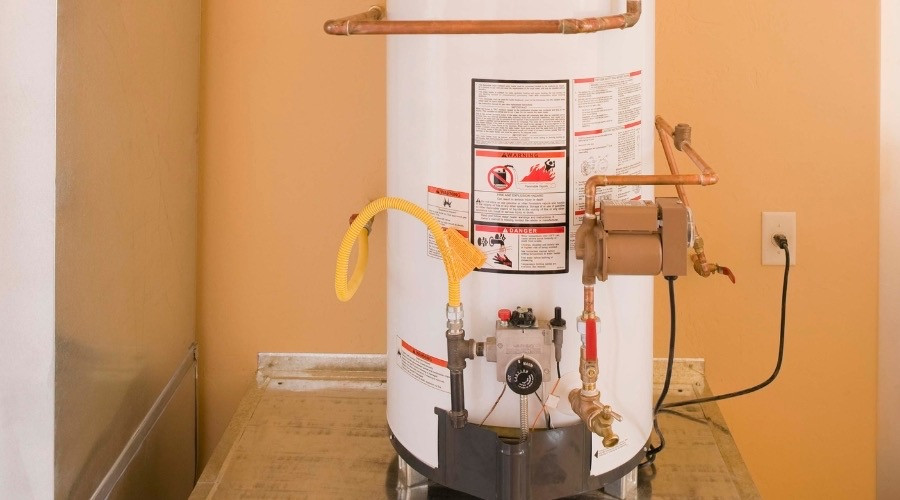
water heater In a conventional water heater, the water tank is one of the most vulnerable parts of the appliance. It is protected by several strategies to reduce the likelihood of leaks, but the protection will fail as the tank ages or becomes damaged. When that happens, leaks will become more likely. 

Likewise, tankless water heaters can become prone to leaks as they age. Despite not having a water tank, the repeated heating and cooling cycles can cause thermal stress, allowing water to leak at pipe joints. In either case, water leaks are a sure sign that the water heater is failing and will need to be replaced sooner rather than later. Some of the signs that can help owners spot water leaks are: 

  • Wet spots on the walls or floor near the water heater
  • Rust or spots of corrosion
  • High water bills
  • Sizzling or hissing noises
  • Moisture or standing water in the drain pan 

Old Age and Corrosion

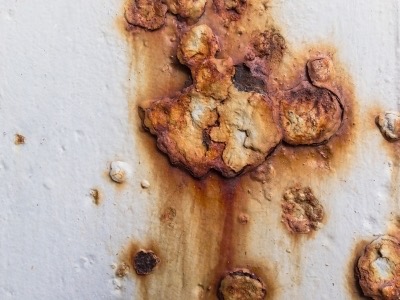
water heater corrosionWater heaters are only expected to last for about ten years. At this point, wear and tear and corrosion will have taken a toll, and repairs won’t be the most practical choice. If any of the signs mentioned above are noticed and the water heater is nearly ten years in service, water heater replacement will probably be the best option. 

Old age can be determined by checking the label plate or contacting the manufacturer with the model and serial number. Corrosion will be evident in rusty spots or damaged anode rods. 

About Walker Plumbing, Heating & Air

Walker Plumbing, Heating & Air has offered prompt and professional service for over 20 years. Their teams handle plumbing problems and installations, including water heater installation and service. Call today for plumbing service in St. George, UT. 

Distribution Links +