Warning Signs and Dangers of Failing Heaters

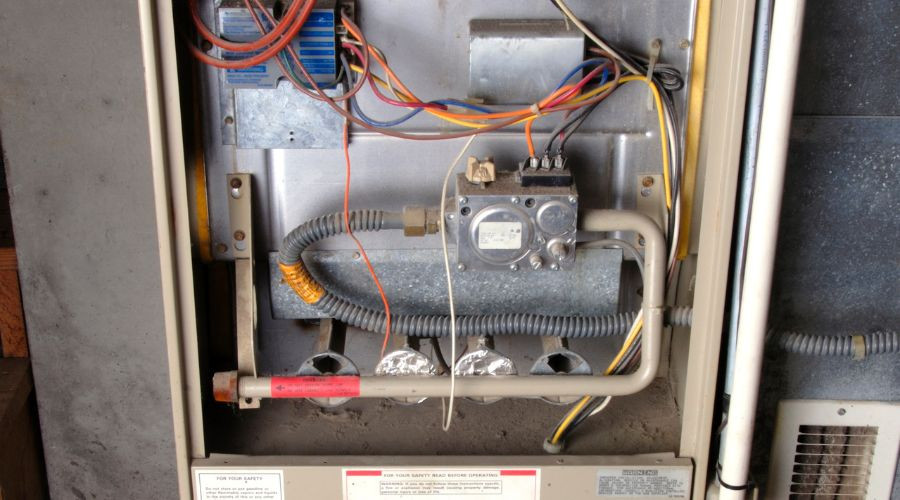
Furnace components, wiring, and controls showcasing Walker Plumbing's heating system maintenance and repair services.

Common Heating Hazards and How to Avoid Them

Heaters and furnaces are necessary in homes to protect people during winter. However, despite modern safety developments, heaters and furnaces can pose threats to the safety of the home and family. Homeowners may be in a dangerous situation without quickly recognizing the signs and the right response. Here are three common dangers heaters pose and how to respond to and prevent them. 

Carbon Monoxide Leaks

carbon monoxideCarbon monoxide is a poisonous gas that is imperceptible to humans. The gas is invisible and has no odor, so it is impossible to detect without carbon monoxide detectors. When fossil fuels combust, one of the products is always carbon monoxide. However, the further a furnace falls into disrepair, the more carbon monoxide will be produced. At a certain point, the level of carbon monoxide that leaks back into the home can become life-threatening. 

Preventing carbon monoxide leaks in the home can be done in two ways. First, heat pumps don’t use fossil fuels, so they don’t produce carbon monoxide. When upgrading the heater, looking into heat pump options can make the home safer. Secondly, remembering furnace maintenance can help prevent carbon monoxide formation. For total protection, homeowners with flame-producing appliances should have carbon monoxide detectors placed around the home for early warning so they can call for repairs as soon as the alarms go off. 

Mold Growth

vent Mold is a common pollutant in homes because it is abundant outdoors. It can be a serious indoor problem in homes with malfunctioning HVAC systems.
Some of the signs of mold growth in a home are: 
  • Musty odors
  • Fuzzy dark growth near windows and in bathrooms
  • Chronic low-grade respiratory problems 

If mold grows in the home, it will likely spread to the furnace or heater, especially if malfunctioning. Mold growth in ductwork greatly compounds the problem. 

Heaters and furnaces should remove moisture from the air to keep it under control during the winter. Excess moisture fuels mold growth, so mold can proliferate when the heater fails to dry the air in the home. By scheduling routine heater maintenance and replacing air filters, homeowners can keep mold growth out of their heaters and under control in the home. 

Overheating Furnaces

Overheating furnaces is one of the most serious acute problems a homeowner may encounter. An overheating furnace can start fires in the home, damage the heater, and increase the likelihood of carbon monoxide poisoning. Some of the signs of an overheating furnace are: 

  • Tripped safety devices
  • Burnt odors
  • Hot spots on the furnace
  • Carbon monoxide alarms
  • Humming noises

When these signs are noticed, homeowners should shut the heater off and call in an HVAC emergency professional. 

Preventing overheating furnaces is as easy as preventing the other hazards mentioned above. First, homeowners should change air filters every three months to ensure easy airflow over the heater's burner. Second, routine heater maintenance should be scheduled every fall to address heater deficiencies and ensure the heater is ready for the season. 

About Walker Plumbing, Heating & Air

Walker Plumbing, Heating & Air offers emergency and same-day service for most other calls. With over 20 years of experience, they install and repair heaters using the latest technology. Call today for heating services in St. George, UT.

Faulty Heaters Can Be Dangerous: Here Are the Warning Signs

Heating System Hazards and How to Identify Them 

As the weather cools down and heating systems are turned on, homeowners should be aware of the potential hazards of faulty heaters. Some may think that a house fire is the only risk associated with a broken heating system.

While this is among the most dangerous hazards, it certainly is not the only one. HVAC experts have compiled this list of warning signs of lesser-known hazards associated with faulty heaters that homeowners need to know about. 

Carbon Monoxide Leaks

Carbon monoxide is a toxic gas to humans that can cause carbon monoxide poisoning. What’s even more dangerous is a possible explosion if the carbon monoxide comes in contact with even the smallest of sparks. A faulty heating system can cause a carbon monoxide leak in the home.  

Warning Signs of a Carbon Monoxide Leak:

  • Nausea
  • Vomiting
  • Confusion
  • Fatigue 
  • Breathing difficulty
  • Headaches
  • Increased condensation on the inside of the home’s windows
  • The pilot light keeps going out 

Many heating systems use combustible gas to heat the home. A heat exchanger can leak carbon monoxide into the house when a crack occurs. Keeping the heating system updated on repairs and maintenance can help prevent carbon monoxide leaks. 

Still, it is also essential to have carbon monoxide detectors in the home, as the warning signs of a leak are not always obvious. 

Mold Growth in Heater or Air Ducts

bad smellInhaling mold particles can be detrimental to health, which is why homeowners should be aware of the warning signs and take steps to prevent mold growth in their HVAC systems. 

Some signs of mold growth in the heating system that homeowners need to be aware of include a musty smell coming from the heater or the air vents or visible mold growing around the air vents. 

Moreover, the heating system has several moisture-prone areas, including the drain pan, which collects condensation, or in the air ducts where natural condensation could occur. Keeping the drain pan and ductwork clean of dust and debris and doing regular maintenance to prevent leaks is the best way to prevent mold growth. 

Furnace Overheating

filterWhen homeowners neglect their heating systems by skipping heating maintenance or putting off heating repairs, they put their homes at risk. 

A faulty heating system can overheat, potentially leading to a house fire, a carbon monoxide leak, or permanent damage to expensive heating system hardware. In addition to scheduling regular maintenance with an HVAC professional, homeowners should change their furnace filter and other air filters on time (usually every 1-3 months). 

Warning signs of an overheating heater include strange noises coming from the heater, a humming noise, or the smell of something burning. When the heater overheats, it can destroy the heating system, but most dangerous of all, it could threaten the family who lives in the home if the furnace bursts into flames. 

Heating systems that are adequately maintained are less likely to pose potential hazards to the household. 

About Walker Plumbing, Heating & Air

Walker Plumbing, Heating & Air has served Southern Utah for over 20 years with top-of-the-line HVAC services. With comprehensive heating, cooling, and ventilation services from licensed professionals, this HVAC company is one that Utah homeowners can count on. Call them today for heater repair in St. George, UT!

Distribution Links +

Time to Get Heaters Ready for Fall and Winter

Is Your Heating System Ready for the Temperature Drop?

The fall is here, and with the steady drop in temperatures over the upcoming weeks, most homeowners should already be dusting off their sweaters and preparing for the more consistent use of their heaters. But after months of hiatus, are those heating systems ready to take on the upcoming cold? Here are some important tasks homeowners can do to make sure their heaters are prepared to work well and efficiently when needed most. 

Preventive Heater Maintenance

The first order of business to get the heater ready for heavy use is always to schedule heating maintenance. After months of being unused, heaters need to get a fall tune-up to ensure everything is in good working order and working efficiently to take on the fall and winter seasons. 

Professional HVAC technicians should perform annual heater maintenance, making sure to check that all parts are working correctly, worn down or broken pieces are replaced and that essential tasks like lubricating the moving parts are done to prevent problems, help the heater last longer, improve efficiency, and save money on heating costs.  

Change Out Air Filters

air filterOne of the most important tasks homeowners need to do to keep their heating system running well and efficiently is regularly replacing the air filters. Air and furnace filters have the crucial role of removing contaminants indoors, improving the air quality, and protecting the heating system. However, dirty air filters that haven’t been replaced can have many negative effects on air quality and the heater’s function.  

Changing the air filter at least once every three months is generally recommended, but this can be different for different types and sizes of filters. Regular air filter replacement not only cleans the air but also makes the heating system more energy-efficient, lowers energy bills, and makes the heater better capable of heating a space effectively.

Keep an Eye on Your Energy Usage

smart thermostatMonitoring a home’s energy usage is a great way of keeping track of the HVAC system’s performance. Typically, a heating system that is working efficiently and has no issues will not use up too much energy. However, an inefficient heater will drive up the energy bill and is an indicator that the heating system either needs maintenance, is too old, or that something is not working correctly and needs heating repair. 

To further lower heating costs, if the heater has already had routine maintenance and doesn’t need repair or replacement, there are more things homeowners can do. Homeowners can benefit from installing a smart thermostat at home to monitor energy use and figure out areas where they can save. Another way to reduce heating costs while preventing heat and energy loss is to install weatherstripping. Weatherstripping seals the edges and cracks around windows and doors to prevent treated air from escaping the home, helping the heater work more efficiently and reducing energy use and costs.

About Walker Plumbing, Heating & Air

Walker Plumbing, Heating & Air has more than 20 years of expertise serving St. George and the surrounding areas. They offer same-day service, no upselling, and the latest technology. Call them today for heater maintenance in St. George, UT

Distribution Links +

Water Heaters 101 Back to the Basics

Learning the Basics of Hot Water Heaters

The basics of how a water heater works in a home are rather simple and straightforward. It starts with cold water being brought in through the water line and passing through a dip tube at the top of the water heater. What a homeowner will find inside the tank differs based on the type of water heater. There will be a heating element in an electric heater, while a gas heater will have a burner at the bottom with a chimney in the center of the tank to spread the heat. Once the hot water is summoned elsewhere in the home, like for a shower, bath, dishwasher, or washing machine, it flows out of the heat-out pipe, then goes to its final destination.

Every home and homeowner will experience life with a water heater. Knowing at least the bare minimum of information on these units can help save time and money. 

The Types of Water Heaterswater heater

There are a variety of different types of water heaters, each with its own pros and cons. The two most popular types of water heaters are tank heaters and tankless heater systems. Both types can be used with either electric heating elements or gas burners. Tank systems can hold upwards of 80 gallons of water for large household water heaters, while tankless systems offer instant and on-demand unlimited hot water. 

Choosing the correct water heater may seem daunting, but with the help of qualified professionals keeping, updating, or replacing the current system should be no trouble. There are other types of water heaters a homeowner can look into as well, including solar-powered units, hybrid heaters, condensing units, and on-demand. 

Water Heater Maintenance Tips

Keeping up-to-date on a water heater may seem like a trivial thing, but overall, it can lead to a longer and better life span of the unit. Tank units can last upwards of 10 years with proper yearly maintenance and sediment build-up cleanings. Tankless units often don’t need as much upkeep as tank units but are more affected by hard water. The amount of maintenance an on-demand unit will need will depend on the location and hardness of local water. 

Here are a few basic maintenance tips to have done by a professional:

  • Having the system flushed
  • Insulating the tank and pipes
  • Checking the thermostat
  • Inspecting the valves and pipes

Signs of Water Heater Repair Is Neededwater heater

The last way any homeowner wants to learn that their water heater needs repair is mid-shower. That’s why it’s important to know some of the telltale signs repair is needed, including: 
  1. The age of a water heater is the first telling sign. After about 10 years, a tank system is generally in need of replacing. For a tankless system, it is around 20 years.
  2. Rusty-colored water can indicate that something inside the water heater is not pumping correctly, probably due to sediment build-up.
  3. Loud noises, gurgling, or banging sounds can be scary for any homeowner to hear and should be assessed by a professional ASAP. It could be something small like broken off the sediment and indicate a draining and cleaning or something bigger like a broken pressure release valve.
  4. Leaks or pooling water at and around the water heater show a definite sign of needed repair.
  5. No hot water can indicate something as simple as a pilot light that’s gone out, which a technician can relight for any wary homeowner. However, it could also mean something along the lines of a burnt-out heating element that would need replacing.

About Walker Plumbing, Heating & Repair

Reliable hot water heater services by Walker Plumbing, Heating & Air in Southern Utah are the best way for homeowners to protect their homes. With upfront pricing, clear communication, tailored solutions, and licensed master plumbers and technicians, Walker’ll Fix That! Contact them today for water heater repairs and services.