Signs to Replace a Bad Thermostat

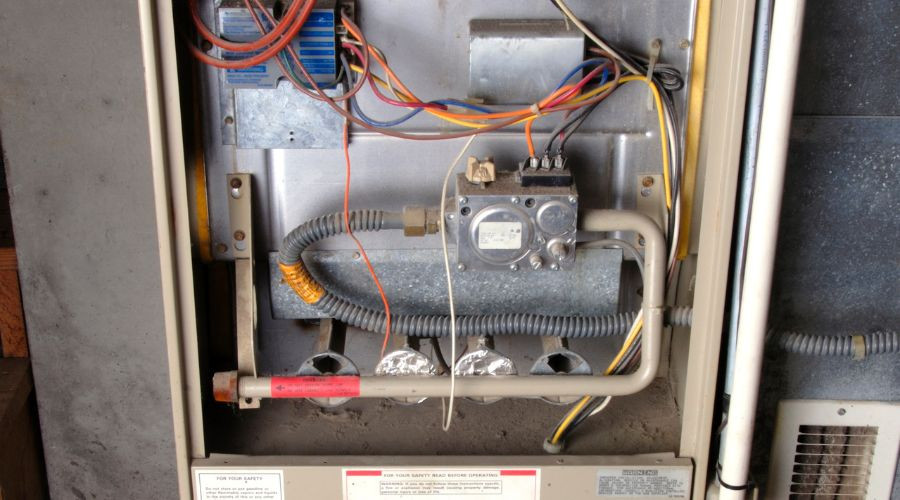
Technician testing thermostat with multimeter for Walker Plumbing, Heating & Air services in St. George, UT.

When to Replace a Bad Thermostat

Homeowners need to know how to read thermostats to keep their homes comfortable. Newer models have made it easy to control the temperature and make the home warmer or cooler. However, knowing more than that can help avoid problems associated with bad thermostats. By learning a few signs of malfunctioning thermostats, property owners can take action before the system is damaged or energy bills get out of control. 

Homeowners need to know about things that can keep their homes comfortable, including the status of their thermostats. Newer models have made it easy to control the temperature and make the home warmer or cooler. 

Energy Bills are Higher

billsIf a homeowner has noticed a sudden increase in energy costs, the thermostat might be the reason. When a thermostat isn’t accurately reading the temperature, it can cause the HVAC system to run longer or more frequently than necessary. This misreading leads to excessive energy consumption as the system overworks to maintain the incorrect temperature setting. For instance, a malfunctioning thermostat might think the home is cooler than it is and keep the heater running, leading to unnecessarily high heating bills.

Replacing the thermostat with a new, more accurate model can help reduce energy costs. Many modern thermostats also have energy-saving features, such as programmable settings or smart controls, that further optimize HVAC operation and reduce unnecessary energy use.

Incorrect Temperature Readings

Another sign it may be time to replace the thermostat is if it’s showing inaccurate temperature readings. If owners suspect this is happening, perhaps from high energy bills, comparing the thermostat’s temperature reading with a reliable indoor thermometer can be helpful. If there’s a noticeable discrepancy between the two, it is likely that the thermostat isn’t accurately sensing the room’s temperature.

Inaccurate readings may stem from age, dust accumulation, or internal component wear. While a professional technician can recalibrate some older thermostats, many newer models are sealed and cannot be adjusted. If recalibration isn’t an option or doesn’t solve the problem, replacing the thermostat is the best solution to ensure accurate temperature control.

The Heater or Air Conditioner Is Short-Cycling

thermostatShort cycling is when the HVAC system turns on and off without completing a full heating or cooling cycle. This can occur when the thermostat misinterprets the room temperature or malfunctions, causing the system to shut off before it reaches the desired temperature. Short cycling reduces the system’s efficiency and puts additional stress on its components, which can lead to premature wear and tear.

When the system short cycles, it fails to heat or cool the space properly, leading to uncomfortable temperatures, humidity problems, and higher energy bills. This is often a clear sign that the thermostat is not functioning correctly, and a replacement is usually the best solution. A new thermostat, especially a modern one with better accuracy and advanced features, can help the HVAC system maintain consistent, efficient operation without frequent on-off cycles, eliminating the extra strain on the system and keeping energy bills under control. 

About Walker Plumbing, Heating, and Air 

Serving St. George and the nearby Southern Utah region, Walker Plumbing Heating and Air is your go-to for any HVAC and plumbing issue. Their team has been committed to providing reliable service for more than 20 years, ensuring the best experience and timely fixes. Contact them today for thermostat replacement services in St. George, UT.

Professionals Answer Questions About Heat Pumps

Air conditioning unit by foliage and clay pot on a textured stone wall, representing Walker Plumbing, Heating & Air.

All About Heat Pumps

Energy bills are a major concern for most homeowners. During the winter, gas bills can go through the roof as the furnace works to keep a home cool. Likewise, more people than ever are aware of the negative impacts of fossil fuel usage on the climate. Many seek opportunities to switch to more efficient systems powered by renewable resources. 

One of the most effective upgrades that homeowners can make that impacts both the cost of operation and the carbon output of a home is the heating and cooling systems. New HVAC systems powered by heat pump technology can lower bills and reduce a home’s reliance on fossil fuels. 

What Is a Heat Pump?

Heat pumps have been in use and under development for decades. However, they have only recently become competitive with traditional heating and cooling systems. Heat pumps utilize a stable heat source to help recycle refrigerant for heating and cooling. Deep wells were drilled to provide this source in the past, but with new developments, heat pumps can now use outdoor air for this purpose. 

Heat pumps absorb energy from outdoor air or a comparable heat source. While it may not make sense that there is heat energy outside on a cold day, through the thermodynamics of refrigerants, enough heat can be absorbed to be pumped into the home to keep it warm on the coldest days. If this process sounds familiar, it is identical to the process used to cool homes in the summer, except that the refrigerant flow is reversed. 

Benefits of Heat Pump Installation

Heat pump unit next to a piggy bank with coins being dropped, symbolizing energy efficiency and cost savings associated with heat pump installation.Switching to something new is never an easy decision, especially when choosing a new heating and cooling system for the home, which is as consequential as choosing a new one. However, knowing the benefits of heat pumps, in particular, can help homeowners make educated decisions when the time comes. Some of the benefits of switching to heat pumps are: 

  • Energy Efficiency: Highly efficient heating and cooling systems are cheaper to operate monthly. Likewise, heat pump bills are much less prone to fluctuations than gas bills for furnaces. 
  • Lower Carbon Emissions: Heat pumps use far less energy per thermal unit than gas furnaces, making them up to 300 times more efficient. This drastically lowers a home's carbon emissions. 
  • Versatility: Heat pumps can directly replace central heating and cooling systems or be used in ductless mini-split heat pumps to heat and cool individual spaces with no place for ductwork. 
  • Quiet Operation: Some furnaces sound like jet engines firing up. Heat pumps are much quieter, comparable to the typical noise production of a central AC. 

Signs You Need Heat Pump Repair

Technician servicing a heat pump unit, highlighting maintenance and repair processes for efficient heating and cooling systems.Heat pumps operate all year, so sometimes they show wear and tear. Eventually, all mechanical devices will need repairs, and heat pumps will be no different. Luckily, the signs that heat pump repairs are needed are familiar to anyone in a home. They can include things like: 

  • High energy bills
  • No heating or cooling power
  • Poor indoor air quality
  • New noises
  • Loud operation
  • No power to the thermostat or unit 

A quick call to a local technician can help keep things running smoothly when these signs arise. 

About Walker Plumbing, Heating & Air

Walker Plumbing, Heating & Air offers heat pump installation and repair services to customers who switched. They specialize in custom-tailored solutions for plumbing and HVAC customers. Call and schedule for heat pump services in St. George, UT.

When to Replace Your Water Heater

Hands under running water at a clean, shiny faucet, emphasizing hygiene for Walker Plumbing, Heating & Air services.

Don’t Let Showers Run Cold During the Winter

Homes are equipped with multiple ways to keep people warm in the winter. The roof keeps everything dry while the heater and insulation work to keep the home warm. One of the biggest advantages that modern homes have during the winter is the water heater. What better way to deal with a chilly day than by relaxing in a hot bath or shower? Likewise, hot water helps keep the home sanitary during cold and flu season. 

If the water heater shows signs of failure, it may be better to replace it now before it leaves the family with no hot water during the cold season. Here are some of the most common signs of water heater failure so homeowners can be preemptive about potential water heater problems and schedule water heater installation now.

Common Temperature Issues

The most obvious sign that a water heater is having trouble is temperature issues with the water. This sign is obvious because someone is in the middle of a shower when it malfunctions. After a brisk cleansing, they are generally very motivated to find the root cause of the problem. 

Temperature issues with the water heater can stem from several problems. First, the water heater may not have a different volume than it used to because it has become silted in with sediment. Routine maintenance can prevent this problem, but it can't be flushed out if scale is allowed to build up. When that happens, water heater replacement will be the only option. 

Another cause of temperature issues in water heaters is bad thermostats or heating elements. These electrical devices can go bad after a few years in service and prevent the unit from properly heating water. In this case, water heater repairs may be an option, but if other signs are present, a replacement of the water heater may be best. 

Signs of Leaks

Water heater with visible leaks on the floor, indicating potential failure and need for repair or replacement, relevant to plumbing maintenance issues.In a conventional water heater, the water tank is one of the most vulnerable parts of the appliance. It is protected by several strategies to reduce the likelihood of leaks, but the protection will fail as the tank ages or becomes damaged. When that happens, leaks will become more likely. 

Likewise, tankless water heaters can become prone to leaks as they age. Despite not having a water tank, the repeated heating and cooling cycles can cause thermal stress, allowing water to leak at pipe joints. In either case, water leaks are a sure sign that the water heater is failing and will need to be replaced sooner rather than later. Some of the signs that can help owners spot water leaks are: 

  • Wet spots on the walls or floor near the water heater
  • Rust or spots of corrosion
  • High water bills
  • Sizzling or hissing noises
  • Moisture or standing water in the drain pan 

Old Age and Corrosion

Rusty and corroded water heater tank showing severe damage, illustrating the effects of aging and corrosion, relevant to plumbing maintenance and water heater replacement discussions.Water heaters are only expected to last for about ten years. At this point, wear and tear and corrosion will have taken a toll, and repairs won’t be the most practical choice. If any of the signs mentioned above are noticed and the water heater is nearly ten years in service, water heater replacement will probably be the best option. 

Old age can be determined by checking the label plate or contacting the manufacturer with the model and serial number. Corrosion will be evident in rusty spots or damaged anode rods. 

About Walker Plumbing, Heating & Air

Walker Plumbing, Heating & Air has offered prompt and professional service for over 20 years. Their teams handle plumbing problems and installations, including water heater installation and service. Call today for plumbing service in St. George, UT. 

Distribution Links +

Mastering Air Conditioning Basics for Home Comfort

Modern air conditioning unit on concrete slab with grey exterior and green foliage, by Walker Plumbing, Heating & Air.

Air Conditioning Fundamentals

Understanding the fundamentals of an air conditioning system is necessary for maintaining comfort and efficiency in a home. Two common types of air conditioning systems exist: central AC and ductless mini-split systems. Each system has unique features and benefits suitable for different needs and preferences. Learning what type of system is in the home and the signs it is flagging can help homeowners manage the responsibilities of keeping a comfortable home. 

Exploring Different Air Conditioning Systems

Ductless mini-split air conditioning system mounted on the wall, with a woman relaxing on a couch and using a smartphone, illustrating energy-efficient cooling and individualized temperature control in a home setting.Central air conditioning systems are designed to cool entire homes through a network of ducts. These systems comprise an outdoor unit, which houses the compressor and condenser, and an outdoor unit, which contains the evaporator coil. The central AC system distributes cool air evenly throughout the home while providing consistent temperature comfort and control. A main advantage of central AC is its capability to maintain a constant temperature in large spaces. This is extremely ideal for whole-house cooling!

On the other hand,  ductless mini-split air conditioners are an energy-efficient and flexible alternative, especially for homes lacking existing ductwork. These systems contain an outdoor compressor and one or more indoor units, allowing for individualized temperature control in various home areas. These systems are also easy to install while offering greater energy efficiency and allowing to cool specific rooms independently. This select approach can result in significant energy savings and increased comfort. 

Warning Signals Your AC System Needs Attention

Couple sitting on a couch with a fan, fanning themselves, illustrating the need for effective cooling solutions like central AC or ductless mini-split systems.Recognizing the signs that the AC unit is failing is critical for preventing more substantial and costly damage. Some common indicators that an AC unit needs repair include: 
  • Insufficient Cooling: If the AC is running but not cooling the desired space effectively, it may indicate a problem with the compressor or refrigerant levels. 
  • Unusual Noises: The AC unit's grinding, banging, or squealing noises often signal mechanical issues requiring professional attention. 
  • Frequent Cycling: If the AC is frequently turning on and off, it could struggle to sustain the desired temperature due to certain issues such as a malfunctioning thermostat or other electrical problems. 
  • High Energy Bills: If the homeowner sees a sudden spike in energy costs, this can indicate that the AC unit is working harder than usual due to underlying issues, which leads to decreased efficiency. 
  • Poor Airflow: Inconsistent or weak airflow from the vents can indicate a failing compressor or ductwork issue. 

If the homeowner observes any signs, call a professional to address these issues punctually and reinstate optimal performance. 

Why Regular AC Maintenance Matters

Getting maintenance by a professional annually is essential for ensuring the longevity and efficiency of the AC system. During a maintenance visit, a technician will perform several tasks, which include:

  • Cleaning and inspecting the evaporator and condenser coils to improve efficiency. 
  • Checking and topping off refrigerant levels to ensure proper cooling. 
  • Examining electrical connections and components to prevent any potential hazards. 
  • Assessing the thermostat to ensure accurate temperature control. 
  • Lubricating moving parts to reduce wear and tear. 

In addition to professional maintenance, homeowners should regularly change air filters every 1-3 months. This is dependent on the usage and type of filter. Clean filters improve airflow, enhance indoor quality, and reduce strain on the system. All of this contributes to the AC unit’s effectiveness and longevity.

Discover Walker Plumbing, Heating & Air’s Expertise

Walker Plumbing, Heating & Air is based in St. George, Utah, and excels in the HVAC industry with its comprehensive services. They are known for their upfront pricing, same-day service, and guaranteed work. They also have a licensed team of technicians who offer expert solutions for central AC and ductless mini-split systems. This company ensures comfort and proficiency for all its clients. Call them today for air conditioning repair and maintenance services in St. George, UT!

Distribution Links +

FAQs About Slab Leaks

Silhouette of a teddy bear shadow on a gray floor near a wooden door, showcasing the ambiance of childhood nostalgia.

All About Slab Leaks

Building a home on a giant slab of concrete has proven to be one of the biggest advancements in home design in history. By pouring a giant monolithic slab, the foundation for the home can adequately support the weight of the home on top of it while also resisting the elements like shifting soils and weather. One disadvantage of homes built on slabs is that the plumbing has to come up through the slab to protect the piping from freezing. This means a significant portion of a home’s piping is under a thick concrete layer. While plumbers do their best to ensure these pipes are protected, leaks are common in the pipes. When this happens, it is called a “slab leak”

What Is a Slab Leak?

Slab leaks can occur in any portion of buried pipes, including freshwater and sewer pipes. When pipes are installed, codes dictate that they be protected from punctures by bedding them in clean sand. The major reason for this is to prevent the gradual wear and tear on pipes that occur as pipes vibrate over the years. These constant vibrations eventually cause pinhole leaks to form, leading to a slab leak. 

Other causes of slab leaks can be: 

  • Corrosion
  • Shifting soils
  • Mechanical damage
  • Old age

Signs and Consequences of Slab Leaks

Cracked concrete slab foundation near brick wall, indicating potential slab leak issues and structural damage risks.Slab leaks are serious plumbing problems that need immediate attention because they can cause secondary damage. Water flowing underneath the slab can undermine the soil and leave the concrete unsupported, leading to major structural issues. In addition to undermining the slab, water that wicks upward into the living space can damage the wood or metal studs that support the home's roof, requiring expensive rehabilitation. 

To prevent these disastrous scenarios, homeowners should know the signs of slab leaks so they can respond quickly. Some of the signs to watch for are: 

  • Water Flowing From Near the Foundation: When water leaks underneath the slab, it has to go somewhere. The path of least resistance is often towards the slab's edges. 
  • Insect Problems: The high moisture levels caused by slab leaks attract moisture-loving insects like termites, pill bugs, and centipedes. 
  • High Water Bills: Leaking water isn’t free; a constant drip adds to monthly bills. If bills have unexpectedly gone up, a slab leak may be to blame. 
  • Faint Dripping or Hissing Noises: Slab leaks can create noise, usually silenced by the slap. Try listening to these noises when the home is quiet. 

Homeowners can stop wasting money on high water bills and secondary damage repairs by calling for professionals early. 

Professional Slab Leak Detection and Repair

Hand holding a thermal imaging device for slab leak detection, with visible temperature gradient display, in a residential setting.Slab leaks are difficult to repair because they require removing the slab to expose the pipes. Since the repairs are invasive, the leak must be pinpointed so less damage is done. With professional slab leak detection and repair, experts can target the source of a leak exactly so they can make precise repairs. After the repairs are made, the slab is repoured, and homeowners can return to normal life. 

About Walker Plumbing, Heating & Air

Walker Plumbing, Heating & Air has provided local plumbing solutions for over 20 years. They offer straightforward pricing and satisfaction-guarantee services available 24/7. Call our licensed technicians today for slab leak repairs and service in St. George, UT.